

Barberton Daisy
Pairs well with
In stock! Ships within 5 business days.
Barberton Daisy
If you have any questions, you are always welcome to contact us. We'll get back to you as soon as possible, within 24 hours on weekdays.
-
Shipping Information
Use this text to answer questions in as much detail as possible for your customers.
-
Customer Support
Use this text to answer questions in as much detail as possible for your customers.
-
FAQ’s
Use this text to answer questions in as much detail as possible for your customers.
-
Contact Us
Use this text to answer questions in as much detail as possible for your customers.
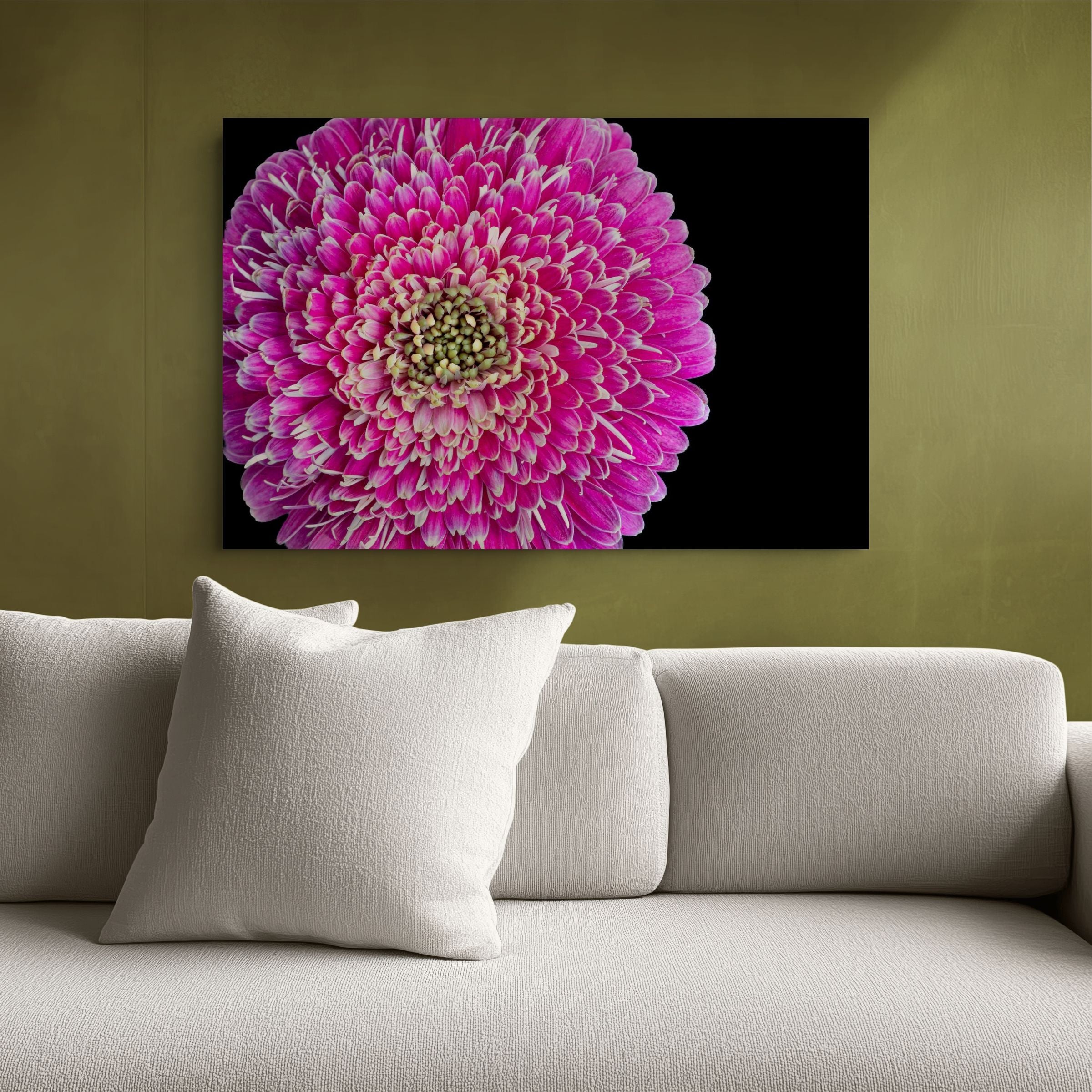
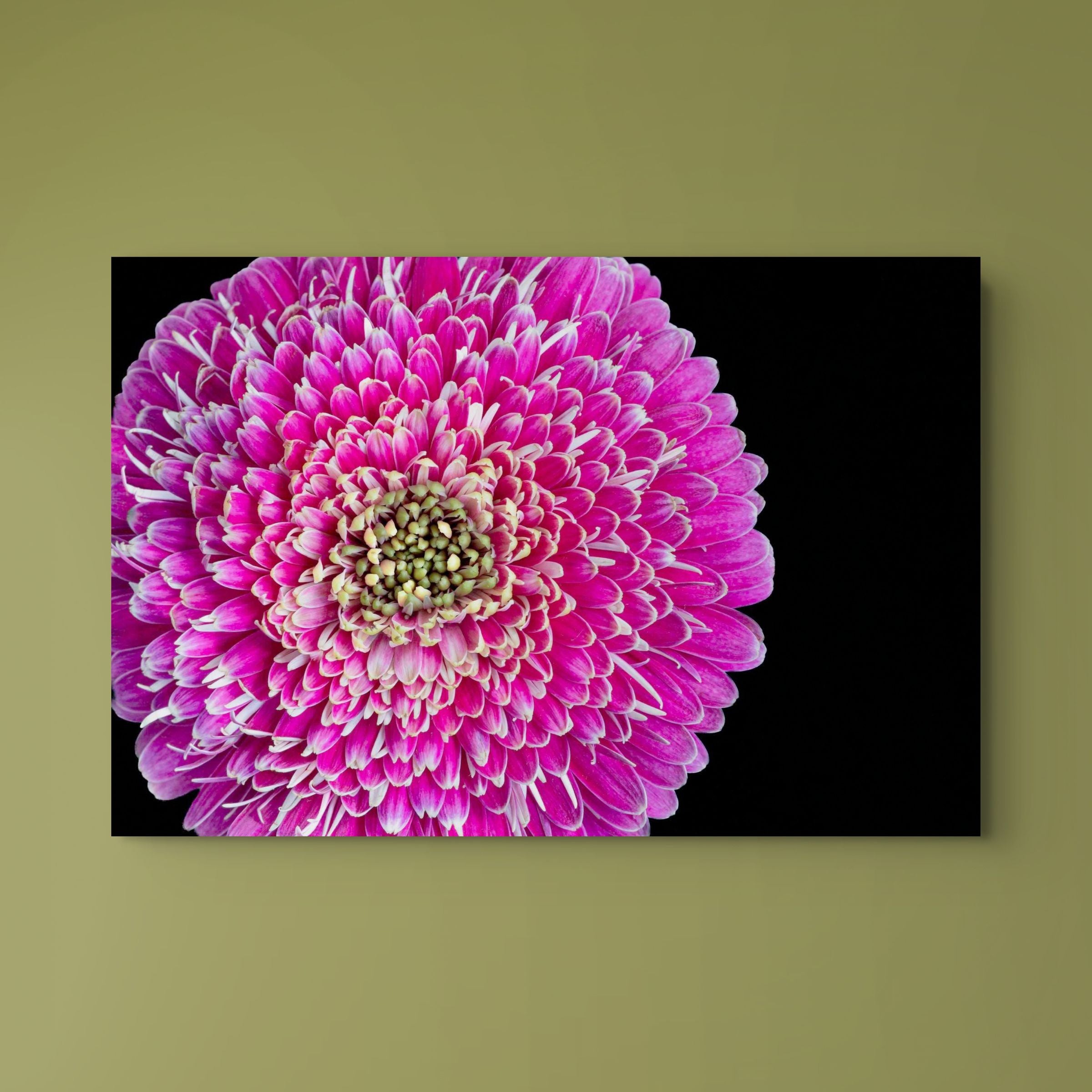
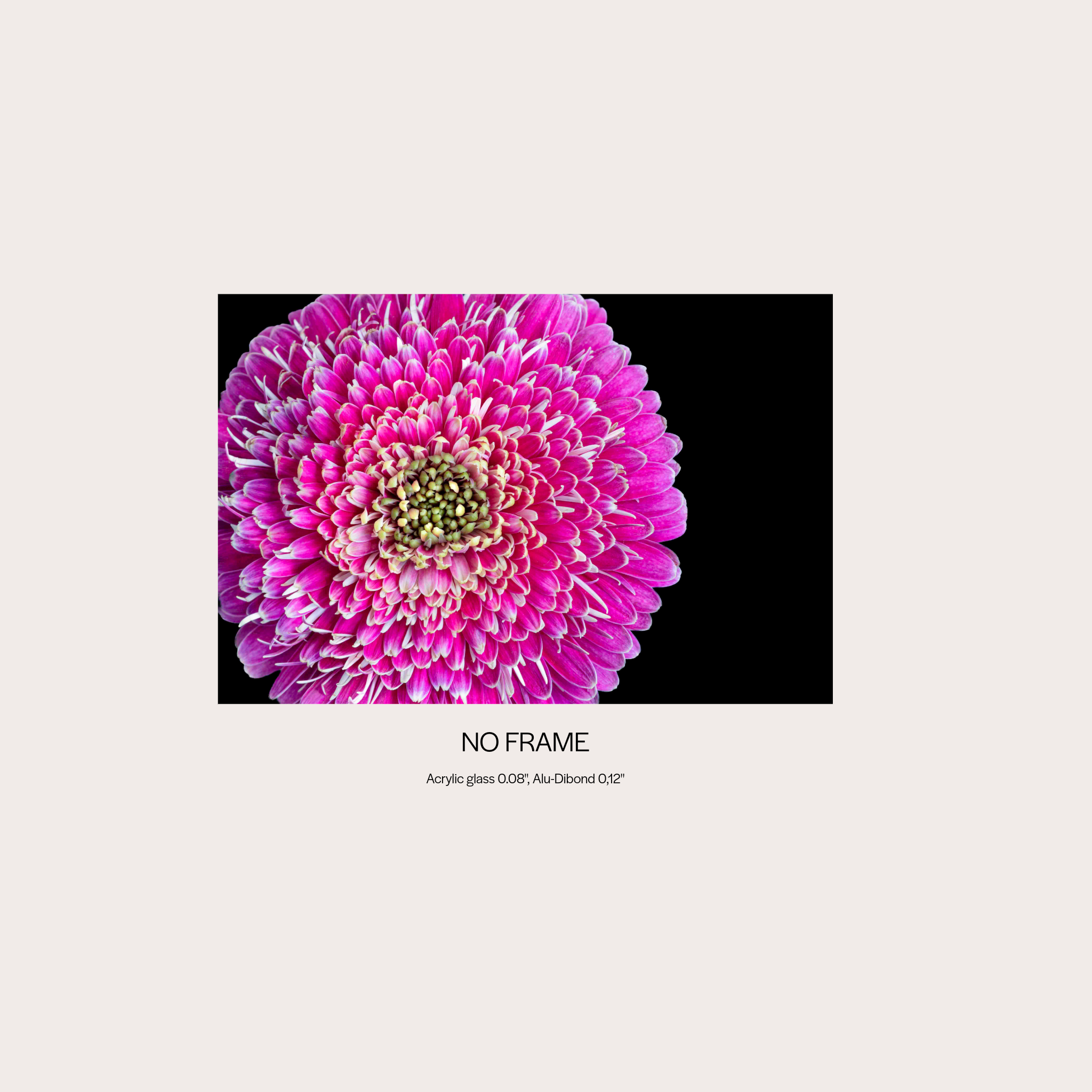
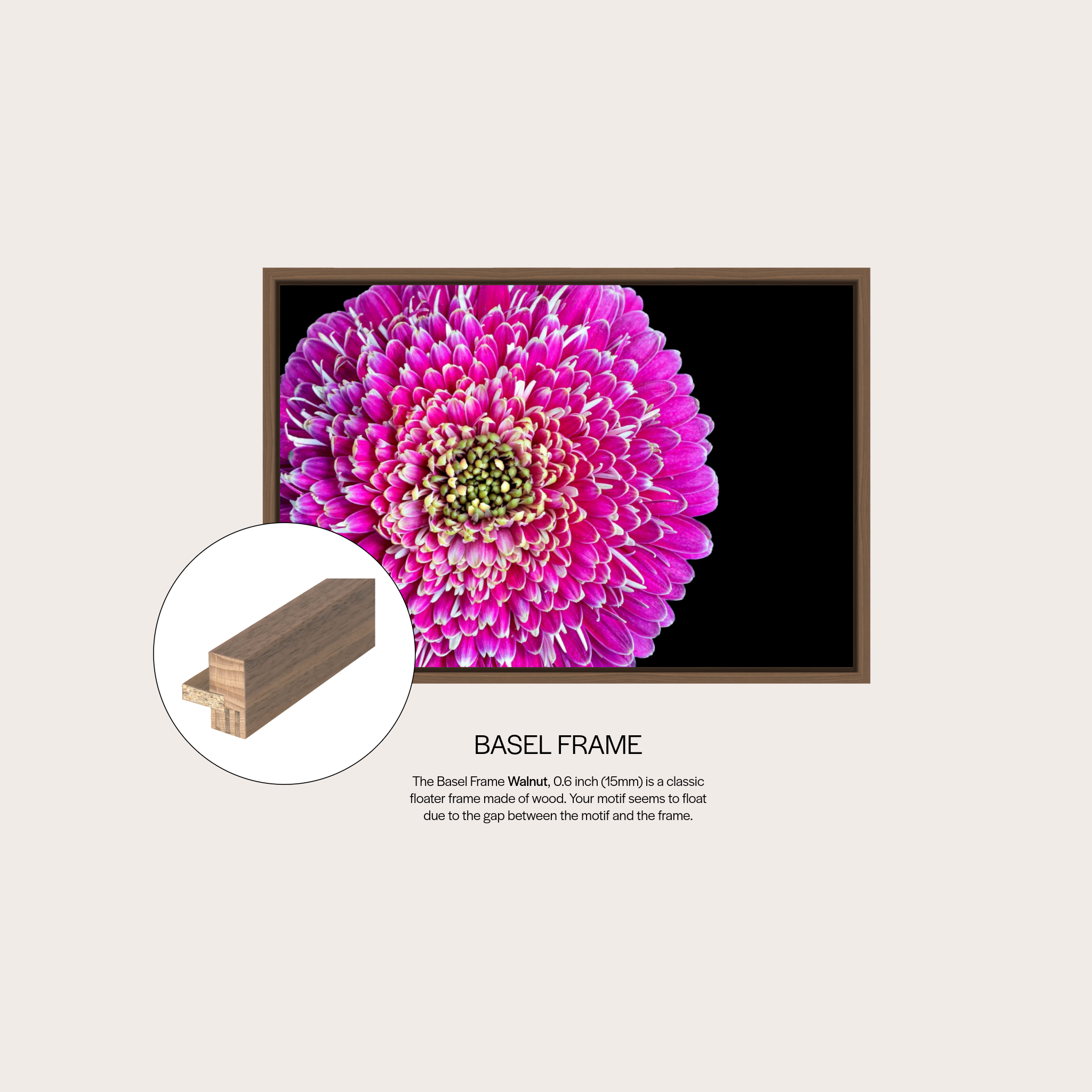
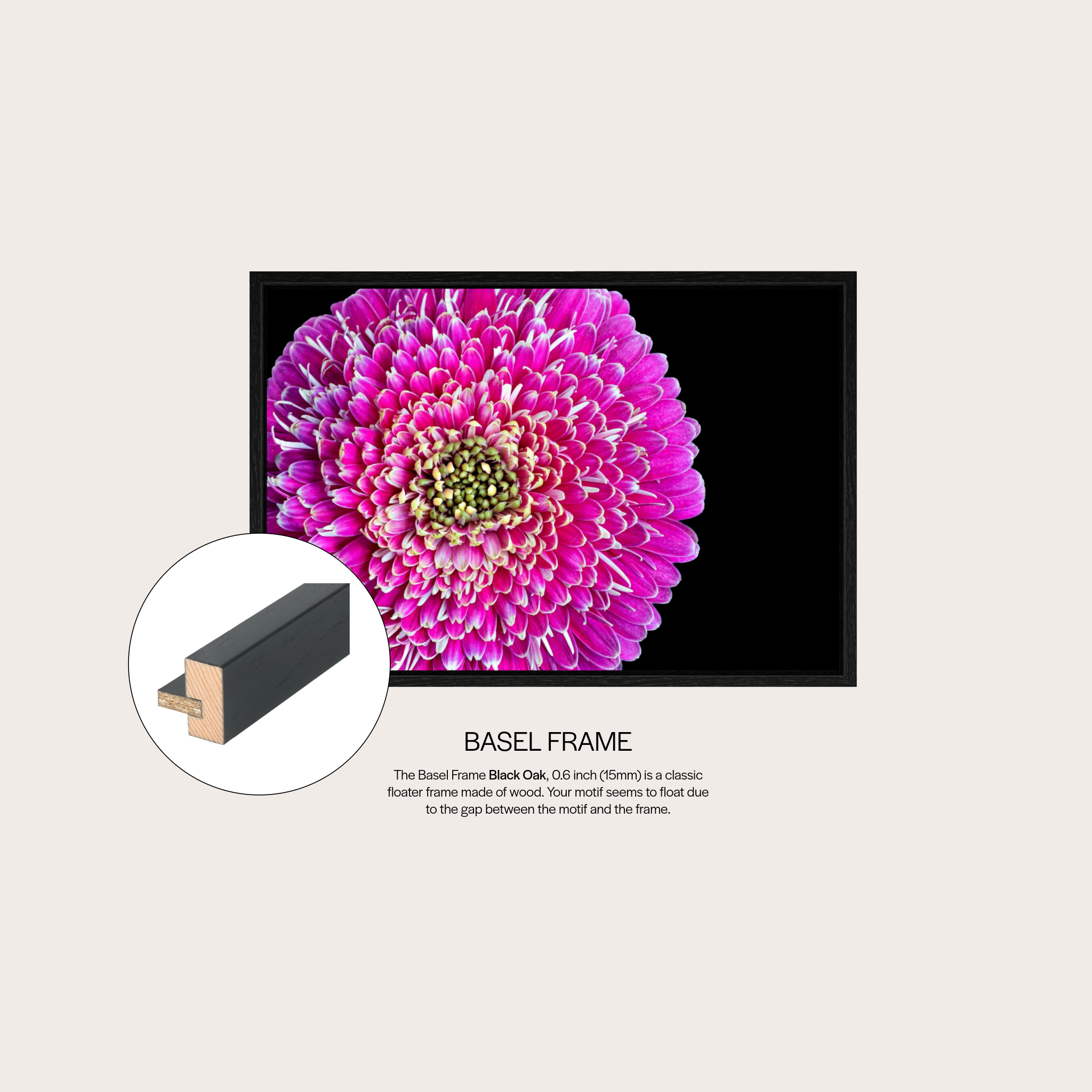
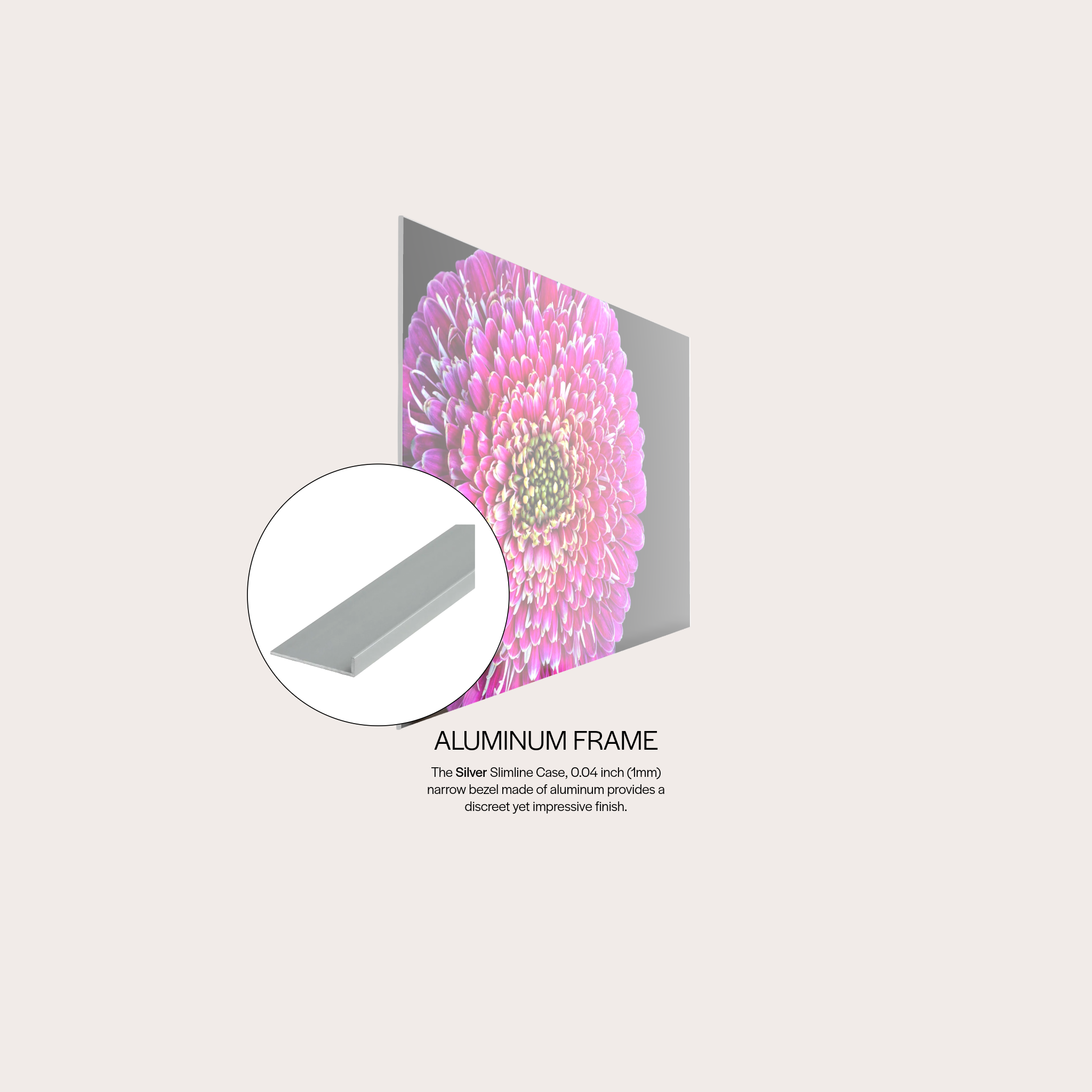
Original photograph captured exclusively by Eureka Hyman for Camdeboo, framed in digitally rendered room mockups to help you visualize them in your home.
The pink Dogwood arrives with quiet authority its sculptural petals unfurling in a considered gradient between cotton-candy blush and soft sunset glow, each curve rendered with jeweler's precision. This Kousa dogwood study preserves the bloom in its signature four-bracted form, the true flower nestled discreetly within a small, textured green center, a detail often overlooked, yet essential to its botanical integrity.Macro photography reveals detail the naked eye tends to pass over the layered structure of petals, the way light catches texture at close range. This yellow-orange buttercup study captures the flower at peak form, its tightly layered petals shifting from deep gold at the base to bright tangerine at the tips, spiraling inward toward a dense, dark center.
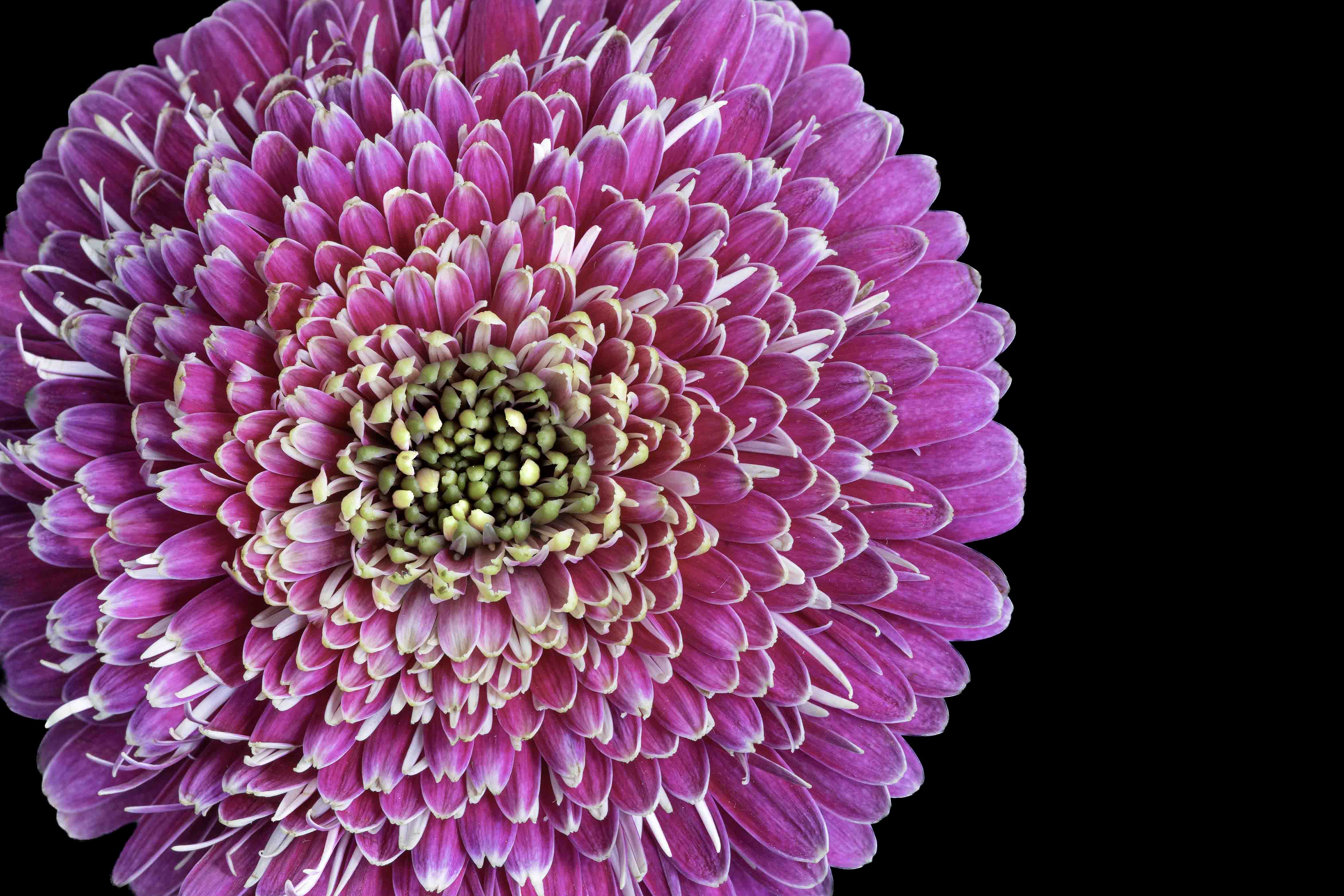
The Barberton daisy, is a striking subject up close: a tight, radiating pattern of ray petals surrounds a dense central disc, built from hundreds of individual florets packed edge to edge. Getting in close with macro photography uncovers details most people never notice the texture, the layers, and how light falls across the surface.
The daisy is native to Southern Africa's Mpumalanga region, first documented near the town of Barberton in the late 1800s, a detail that gives the flower a genuine sense of place rather than a purely ornamental one. From there, the flower made its way to Europe, where horticulturists in the Netherlands and England spent decades refining it into the larger, more symmetrical form we recognize today, and it wasn't until after 1920 that it reached the United States and entered wider cultivation.
It belongs to the daisy family, and while the flower reads as a single bloom, each one is actually made up of a central disc surrounded by numerous ray petals, working together to create the striking, layered appearance seen here. That repetition of form and color is what carries the piece: symmetrical, saturated, and precise. A small aperture kept the central disc sharp while letting the outer ray petals soften slightly at the edges, giving the image an abstract quality without losing the flower's structural integrity.